
What information is needed to quote boat transport?
Model, actual transport dimensions, weight where available, origin, destination, access and removable components help define the vehicle, route and permits.
BOAT TRANSPORT BY ROAD
We coordinate road transport for boats by trailer, platform or low-loader, from taking measurements through loading, permits, route planning and unloading.
Request transportBoat transport by road coordinates actual dimensions, vehicle, supports, loading, unloading, route and permits when a boat must travel overland.
Owners and buyers who need to move a boat between marinas, boatyards, shipyards or countries by road.
boat transport · boat transport · boat transport by road · price transport barco · transport de veleros · transport de catamarans · special transport · trailer · flatbed · low-loader · low-bed trailer · permits · route · loading and unloading
Model, actual transport dimensions, weight where available, origin, destination, access and removable components help define the vehicle, route and permits.
It depends on dimensions, weight, vehicle, route and the regulations applicable to the journey. A single threshold should therefore not be assumed without assessing the specific transport.
ROAD BOAT LOGISTICS
To move a boat by road, you need to know its actual road-transport configuration: boat, supports, vehicle, overall height, overall width, length and weight.
An incorrect figure can change the type of vehicle required, the possible route, applicable permits, loading method or even whether certain accesses can be used at all.
That is why we begin by gathering dimensions and characteristics before finalising a solution. We then coordinate the haulier, transport equipment, loading, unloading and, where applicable, permits and escorts.
Fontnautic acts as the point of coordination so the owner, marina, boatyard, haulier and destination all work from the same information.
HOW THE BOAT CAN TRAVEL
The solution depends on dimensions, weight, hull, keel, available height, support points, origin, destination and the available loading and unloading equipment.
For boats and configurations that can be transportd correctly on an approved trailer with a towing vehicle compatible with the complete combination.
A common option when the boat requires a specific support surface or a transport configuration different from a conventional trailer.
It can reduce the overall height of the combination and make it easier to transport larger boats where the technical configuration and route allow.
When the combination exceeds ordinary applicable limits, transport may require permits, operating conditions, pilot vehicles or other measures defined by the competent authority.
MEASURE BEFORE QUOTING
The height of a radar, flybridge, antenna, satellite dome, arch, mast or hardtop can completely change the logistics. The same applies to platforms, propellers, keels, stabilisers or removable components.
In some cases, certain components may need to be removed or folded down to reduce dimensions, protect them during transit or make a route viable.
We do not quote a significant abnormal-load movement based only on the model’s marketed length.
PREPARING THE BOAT FOR ROAD TRANSPORT
Preparation is agreed with the haulier and the professionals involved. Not every boat requires the same work.
Antennas, radars, canopies, arches, masts, satellite domes or other components may need to be lowered, removed or protected depending on height and exposure.
Doors, hatches, drawers, tables, cushions, accessories and any parts that may move must be properly secured for transit.
Sensitive surfaces, removed components and support areas may need specific protection. Exterior covers must be suitable for road-transport conditions.
Fuel, water and other liquids can affect the weight and behaviour of the combination. Any adjustment is decided according to the boat and the haulier’s instructions.
Cradles, blocks, supports and contact areas must be suited to the hull and to the way the boat is loaded.
The boat, its dimensions and the documentation needed to coordinate the marina, haulier, loading, permits and reception should all be clearly identified.
LOADING & UNLOADING
Before transport, we check what equipment exists at origin and destination: travel lift, crane, ramp, boat mover, manoeuvring space, internal restrictions and staff availability.
The operation must be coordinated with the haulier so that vehicle type, platform height, supports and loading method are compatible with the boat and the facilities.
ROUTE & ABNORMAL-LOAD TRANSPORT
For boats with significant width, height, length or weight, the route may be constrained by bridges, tunnels, clearances, bends, roadworks, urban access, structural limits, operating hours or temporary restrictions.
Where the combination exceeds ordinary permitted values, special authorisations and specific operating conditions may be required. Depending on the case, travel notifications, pilot vehicles, escorts or restrictions on times and route may also apply.
The final route is not considered approved until the transport configuration and any required authorisations have been validated.
SPAIN AND EUROPE
Ordinary weights and dimensions are regulated, and transport that exceeds them because it carries an indivisible load may be subject to permits and special conditions.
In Spain, abnormal-load transport is subject to current vehicle and traffic regulations and, where applicable, to supplementary authorisation or its equivalent from the competent authority. The itinerary, conditions and any escorts are assessed for each movement.
There is a European framework for vehicle dimensions and weights, but loads exceeding ordinary limits may require national or regional permits. Procedures, operating times, escorts and conditions can vary between countries.
On an international route, we do not assume that an authorisation obtained in one country covers the rest of the journey. The haulier must validate the requirements in each territory crossed before the movement takes place.
This information is indicative and does not replace checking the regulations, permits and current conditions applicable to the specific transport on the planned date and route.
HOW WE COORDINATE IT
The larger or more unusual the boat, the more important it is to finalise the sequence before booking cranes, transport or boatyard dates.
Model, year, length, beam, height, draught, weight, photographs and any components that can alter the actual transport dimensions.
Marina, boatyard, storage facility or exact location; loading/unloading equipment, access and operational restrictions.
Trailer, platform, low-loader, supports and any preparation or dismantling required before loading.
The haulier assesses the route and obtains or coordinates the permits, notifications, escorts and conditions that apply.
Date, travel lift or crane, staff, vehicle access, positioning of the boat and confirmation that the planned preparation has been completed.
Follow-up of the movement and coordination with the destination so unloading can take place under the agreed conditions.
WHAT CHANGES THE COST
The price depends on the actual configuration, not only on kilometres. Vehicle type, dimensions, weight, permits, route, tolls, escorts, cranes, dismantling and waiting time can all change the cost.
DOCUMENTATION AND COVER
For each movement, the haulier, boat, origin, destination, contracted scope and required documentation should be clearly defined. Where relevant, the insurance terms and cover applicable to the transport should also be checked.
Fontnautic can coordinate information between the parties, but specific liability and cover depend on the contract, haulier, insurer, route and applicable regulations.
BOAT TRANSPORT IN SPAIN AND EUROPE
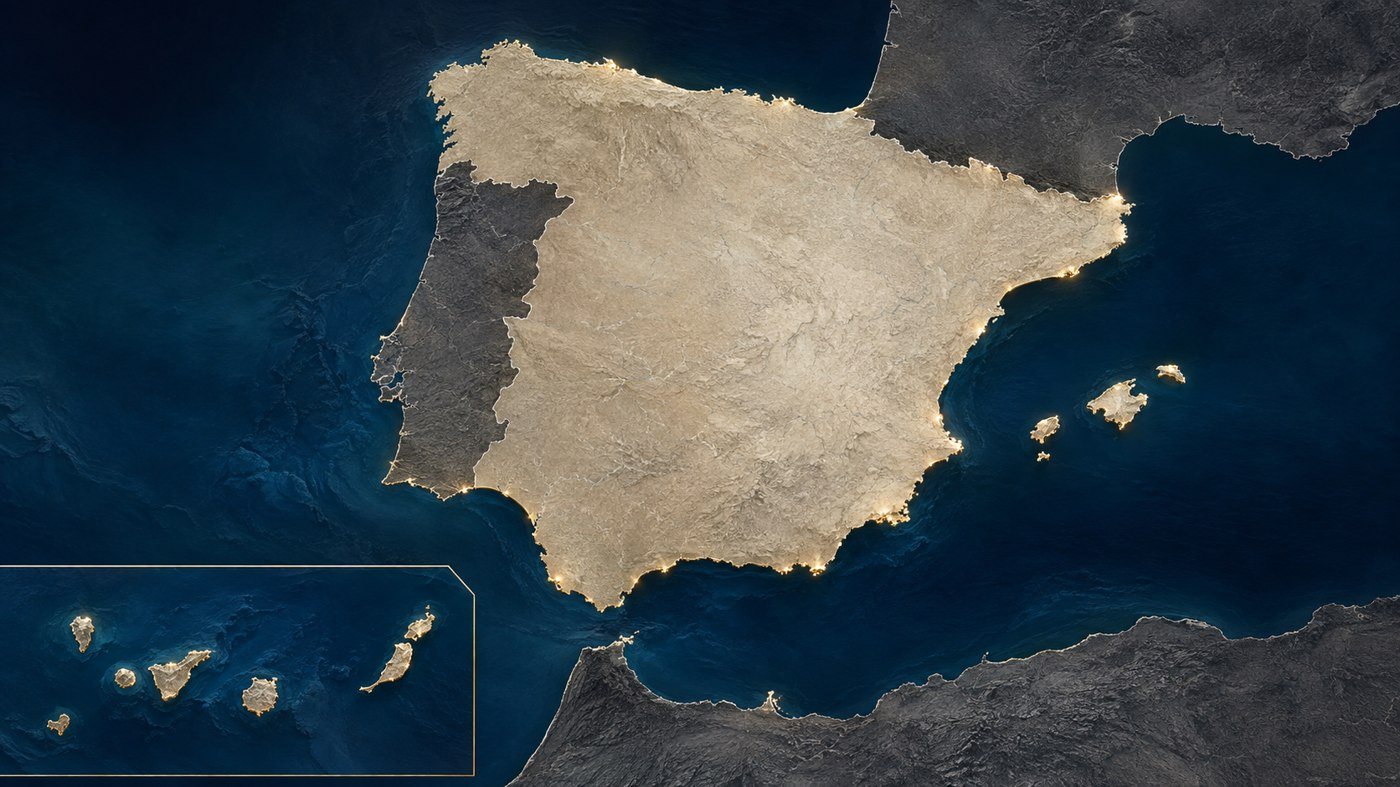
We can assess transport between marinas, boatyards, shipyards, storage facilities and private locations in Spain, as well as international road routes where a viable logistics solution exists.
For each move we check loading access, route constraints, permits, unloading arrangements and the transport equipment available for that boat.
BOAT TRANSPORT QUOTATION
To quote boat transport by road, the transportr needs the configuration that will actually travel: overall length, beam, transport height, weight, hull form, appendages and removable equipment.
Exact origin and destination matter too. A boatyard with a travel lift and straightforward access is not the same operation as a marina with restricted manoeuvring. Unloading equipment, opening hours and access at destination can also change the vehicle and plan.
Model, year, hull type, keel or appendages and current photographs.
Overall length, beam, transport height and approximate or documented weight.
Exact origin and destination, access, marina, boatyard or private location.
Available loading and delivery window plus any dismantling required beforehand.
BOAT TRANSPORT COST
The total can include vehicle, driver, fuel, tolls, permits, escorts, waiting time, cranes or travel lift, supports, dismantling and reassembly, boat preparation and loading/unloading coordination. International routes can also involve different requirements between countries.
Sailing yacht transport may require mast removal and carriage, rigging protection, height reduction and specific supports. A motor yacht with a flybridge, radar or hard top may need equipment removed to achieve a viable transport height.
SAILING YACHTS, MOTOR BOATS, YACHTS & CATAMARANS
Flybridge, radar arches, hard tops, propellers, shafts, stabilisers and platforms can determine height, supports and vehicle choice.
Keel, mast, boom and rigging require careful planning of dismantling, overall transport length and hull supports.
Beam can quickly turn the move into abnormal-load transport and restrict routes, access and loading equipment.
Logistics may be simpler when size and weight allow, but towing vehicle, trailer and loading method still need to be compatible.
ROAD OR SEA?
Road transport is often very competitive when dimensions, weight and route allow a viable configuration and suitable loading equipment exists. With very wide or tall boats, very long routes or vessels that can safely make the passage, it can be worth comparing sea transport as well.
The sea option may be a yacht delivery under own power with skipper and crew, or shipment as cargo on a yacht carrier.
FREQUENTLY ASKED QUESTIONS
Each transport is assessed according to the boat, vehicle, route and current regulations. These answers are indicative.
Depending on dimensions, weight, hull, height and route, a trailer, platform, low-loader or abnormal-load configuration may be used. The solution is defined after understanding the boat and the loading and unloading points.
Length, beam, height and weight are the basic figures, but for abnormal loads the actual dimensions of the complete combination and any removable or projecting items are important. Photographs and the specification sheet help with the initial assessment.
Where the transport configuration exceeds ordinary applicable limits, authorisations and special operating conditions may be required. The haulier reviews the specific case, route and competent authority before carrying out the journey.
Yes, for certain abnormal loads. It depends on dimensions, route, permit conditions and current regulations. It is not assumed until the configuration and itinerary have been assessed.
Yes. The operation can include coordination of a crane, travel lift, supports, vehicle access and reception at destination according to the needs of the boat and the facilities available.
In some cases, yes. Antennas, radar, arches, masts, canopies or other items may need to be removed or lowered to reduce height, meet the planned configuration or prevent damage during the journey.
Yes, where an appropriate technical and logistics configuration exists. The keel, mast, overall height, supports, loading and unloading normally need particularly careful assessment.
We can assess international road routes. Requirements for oversized transport can vary between countries, so permits, conditions, escorts and operating times are validated for every territory crossed.
It should not be assumed. For international movements, the requirements applicable in each country or competent authority along the route are reviewed before the journey begins.
No. Dimensions, weight, vehicle type, route, permits, escorts, tolls, cranes, dismantling, waiting time and conditions at origin and destination all affect the price.
Cover depends on the haulier, policy, contract and specific operation. Before loading, it is advisable to confirm what cover exists, which risks it includes and whether the owner needs any additional measure.
We can assess boat transport across mainland Spain and logistics connections involving the Balearic or Canary Islands where appropriate. The solution depends on origin, destination, type of boat and available hauliers.
TO ASSESS THE TRANSPORT
Model, approximate dimensions, weight if available, photographs, origin and destination are enough to begin assessing the configuration.
Usamos cookies necesarias y, con tu permiso, analítica y servicios externos.