

Engines & mechanical systems
Oil, filters, cooling, fuel, belts, impellers, leaks, diagnostics, injection, turbochargers, exhaust and scheduled servicing.
BOAT MAINTENANCE · SPAIN
We coordinate maintenance and repairs for leisure boats and yachts: engines, mechanical systems, electrics, electronics, hull, underwater gear, boatyard work, water systems, air conditioning and preventive or corrective work.
BOAT & YACHT MAINTENANCE
Engines, batteries, wiring, electronics, pumps, seacocks, hull, propellers, air conditioning or a small leak may appear unrelated, but all of them affect the reliability, safety and ownership cost of a boat.
That is why boat maintenance should not be reduced to “servicing the engine”. A leisure boat needs an overall view: what needs attention now, what can be scheduled, what should be measured before replacement and what should be documented so the same diagnosis or work is not repeated later.
Fontnautic can coordinate boat maintenance, preventive maintenance and boat repairs with professionals suited to the job. We do not expect one technician to specialise in engines, GRP, electrics, air conditioning and electronics; each task should go to the right specialist.
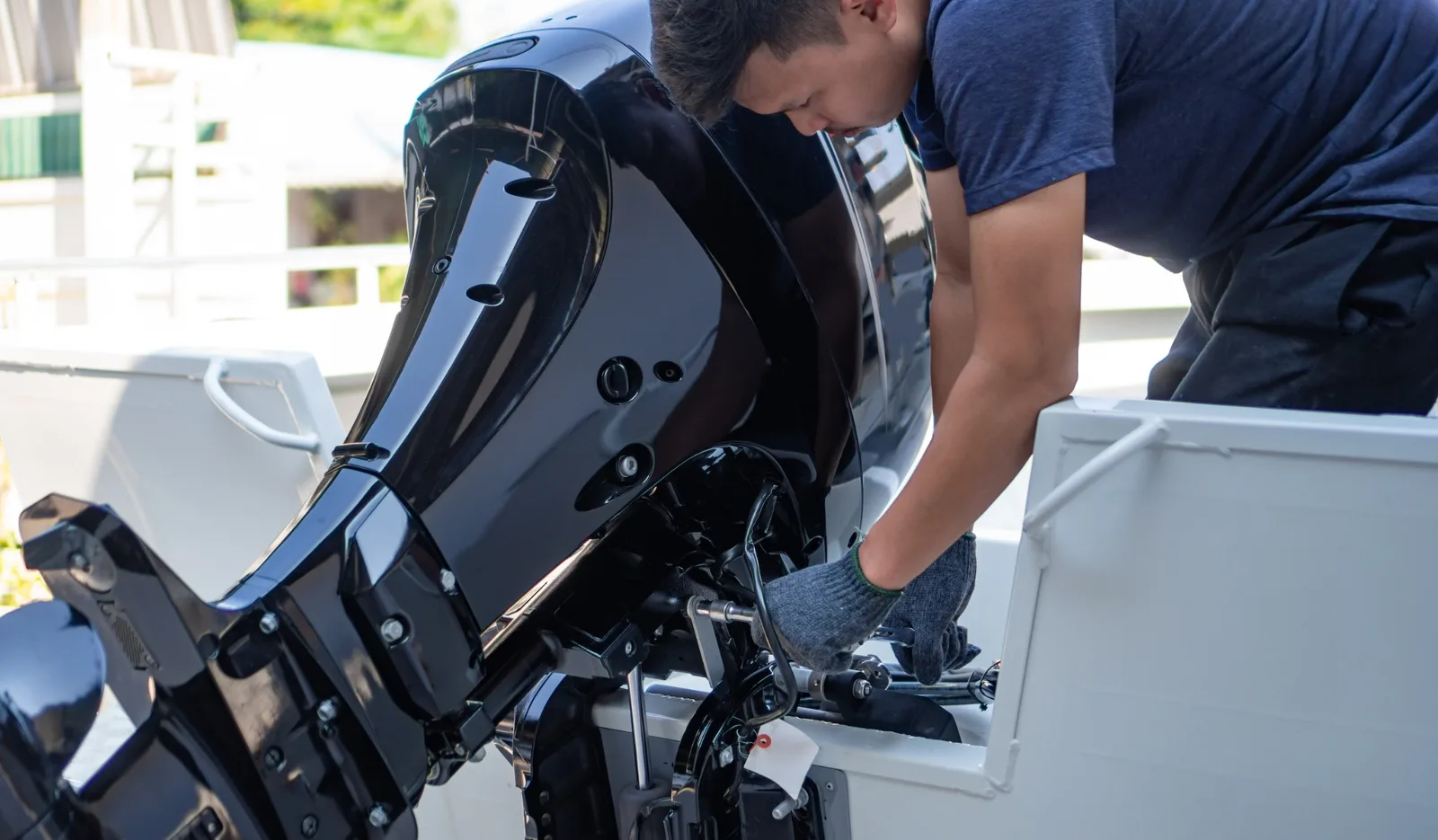
BOAT MAINTENANCE & REPAIRS
Temperature, vibration, smell, moisture, electrical consumption, pressure, smoke, leaks and unusual noises are all information. Identifying them early can prevent more complex work later.
COMPREHENSIVE MAINTENANCE
The scope depends on length, propulsion, age, usage, service history and equipment. A six-metre day boat and a fifteen-metre yacht do not carry the same technical complexity or maintenance cost.
Oil, filters, cooling, fuel, belts, impellers, leaks, diagnostics, injection, turbochargers, exhaust and scheduled servicing.
Shafts, sterndrives, IPS, pods, transmissions, propellers, seals, alignment, vibration and the components that transmit power to the water.
Batteries, chargers, alternators, inverters, switchboards, wiring, protection, parasitic loads and fault finding.
Chartplotter, radar, sounder, AIS, VHF, autopilot, sensors, cameras, instrumentation and data networks.
Antifouling, anodes, seacocks, through-hulls, gelcoat, GRP, rudders, propellers, corrosion and boatyard work.
Teak, stainless steel, sealants, hatches, windlass, anchoring gear, fittings, covers and exposed deck equipment.
Pumps, tanks, plumbing, water heater, heads, bilges, grey and black water, watermaker and leak detection.
Air conditioning, heating, refrigeration, galley, generator, hydraulics, stabilisation and auxiliary equipment depending on the yacht.
PREVENTIVE MAINTENANCE
Preventive boat maintenance means inspecting, measuring, testing, cleaning, lubricating, adjusting and replacing components when there is a technical reason or a manufacturer interval that justifies it.
A battery may still start an engine while having lost a large part of its capacity. A hose clamp may look acceptable from the outside while deteriorating underneath. An impeller may continue working until a vane separates. A seacock may show corrosion long before it starts leaking.
A preventive plan makes it possible to group work during one visit or haul-out, reduce urgent repairs and understand the boat's actual condition. It also helps distinguish between immediate maintenance, scheduled maintenance and optional upgrades.
Battery tests, temperatures, pressures, insulation, leaks and functional checks help avoid replacing components by guesswork.
Some items depend on engine hours; others age even when the boat is barely used. Both matter.
When the boat is ashore, combine inspections and work that cannot be carried out properly while afloat.
Date, engine hours, parts, technician and invoice create a technical history that can later be verified.
BOAT REPAIRS
A boat repair should start with the symptom and diagnosis, not with a shopping list of parts. Replacing components without finding the cause can hide the problem temporarily and make the final repair more expensive.
We can coordinate boat repairs and yacht repairs when alarms, electrical faults, leaks, vibration, overheating, starting problems, damp, pump failures, electronics faults or auxiliary system issues appear.
A repair can also expose deferred maintenance. If one component failed because another system was not operating correctly, it is worth separating the urgent repair from recommended work intended to prevent the same problem returning.
MARINE ENGINES
Engine maintenance varies significantly between diesel and petrol, inboard and outboard engines, shaft drive, sterndrive, IPS and pod systems.
An inboard engine may involve engine oil, filters, coolant, raw-water circuits, impellers, heat exchangers, belts, fuel, turbochargers, exhaust, mounts, alignment and transmission. Outboards have their own maintenance points, including lower unit, water pump, anodes, spark plugs where applicable, gear oil and external corrosion.
The cost of inboard engine maintenance depends especially on the number of engines, power, access, engine hours, manufacturer, transmission and whether the job is routine servicing or involves dismantling, heat-exchanger cleaning, injection work, turbo or repairs.
Filters, water separators, contamination, pressure, injectors and fuel quality directly influence reliability and running.
Impeller, heat exchangers, coolant, thermostats and raw-water flow are critical to preventing overheating.
Oil, filters, levels and possible contamination help interpret condition and prevent wear.
Hoses, elbows, silencers, engine-room ventilation and temperature deserve regular inspection.
MARINE ELECTRICS & ELECTRONICS
Marine electrical systems operate in humidity, salt, vibration and highly variable loads. A poor connection can look like an electronics failure; a tired battery can create faults in equipment that is otherwise working correctly.
Maintenance should include battery capacity and charging, alternators, chargers, inverters, protection, terminals, corrosion, wiring, abnormal loads and the distribution between engine-start and domestic battery banks.
In electronics, a software update is not a substitute for a sound installation. Chartplotter, radar, sounder, AIS, autopilot and sensors all depend on stable power, antennas, transducers and properly installed data networks.
HULL MAINTENANCE
Boat hull maintenance is one of the main reasons to plan a haul-out. Once ashore, hidden areas can be inspected and worked on under much better conditions.
It is worth checking antifouling, gelcoat or paint condition, impact damage, blistering, corrosion, through-hulls, seacocks, anodes, propellers, shafts, rudders, sterndrives, trim tabs and any submerged component. Boats with more complex propulsion systems can reveal leaks, fouled propellers, rope damage or wear during a routine visual inspection.
Haul-out frequency is not identical for every boat. It depends on use, location, antifouling type, speed, time spent stationary, hull material and manufacturer or boatyard recommendations.
ONBOARD SYSTEMS
Cruising boats carry a wide range of auxiliary systems: fresh water, black water, bilges, air conditioning, refrigeration, generator, hydraulics and, on some yachts, watermakers, stabilisers or more complex equipment.
Pumps cycling too often, bad smells, irregular water pressure, damp, air conditioning losing performance or a generator becoming harder to start are all signs worth checking before the system stops working completely.
Filters, valves, switches, fuses and service points should also remain accessible and clearly identified. Even a well-installed system loses practical value if nobody can isolate or maintain it safely.
BY BOAT TYPE
Length is not the only variable. The type of boat determines which systems create the greatest maintenance load and what work should be planned.
In addition to engine and onboard systems, a sailing yacht needs attention to standing and running rigging, furlers, winches, blocks, sails, fittings, mast and deck hardware. Maintenance cost depends heavily on age, rig, sail area and equipment.
On small and medium motor boats, maintenance is often concentrated on outboards or sterndrives, batteries, hull, upholstery, bilge pumps, steering, fuel and electronics. Fewer systems do not mean zero maintenance.
Generators, air conditioning, hydraulics, stabilisers, multiple battery banks, water systems and electronics increase the need for coordination and documented maintenance.
Maintenance for leisure craft should reflect actual use: frequent cruising, seasonal use, long periods laid up or preparation for longer passages require different priorities.
BOAT MAINTENANCE COST
There is no serious figure that can be calculated from length alone. The cost of maintaining a boat depends far more on the individual boat, engines, age, equipment, use, previous condition and location than on whether it is five, eight or fifteen metres long.
Two boats of the same length can have completely different annual costs. One may have a single outboard and very few systems; another may have twin engines, generator, air conditioning, extensive electronics, hydraulics, several battery banks and more demanding underwater gear. It also matters whether the boat cruises regularly, sits unused for long periods, is stored ashore or remains in a marina all year.
When discussing boat maintenance cost, technical maintenance should be separated from other ownership costs that also belong in the annual budget. These may include engine servicing, repairs, boatyard fees, antifouling, anodes, cleaning, detailing, batteries, electronics, insurance, marina berth, taxes or fees, fuel, winterisation, transport, surveys and small upgrades that appear with use.
The marina berth can be one of the largest fixed costs and changes greatly with marina, region, season and size. Insurance depends on insured value, use, cruising area and cover. Taxes and fees depend on the boat's administrative and tax situation. Fuel depends on engines, speed and hours run. Technical maintenance can also vary dramatically between a yacht with a consistent history and one carrying years of deferred work.
So when someone asks how much it costs to maintain a six-metre boat, an eight-metre boat, a sailing yacht or a motor yacht, the useful answer is not a generic annual figure. The right starting point is which boat it is, what systems it carries, where it is kept, how it is used and what maintenance is documented. From there, a much more realistic annual ownership forecast can be built.
BOAT MAINTENANCE PLAN
Exact intervals must follow each manufacturer's manuals and specifications. This structure helps organise work; it does not replace manufacturer guidance.
Engines, batteries, safety equipment, air conditioning, bilge pumps, electronics, fuel and systems that need to work from day one.
Levels, leaks, temperatures, charging, filters, cleaning, lines, anchoring gear and any change in normal behaviour.
Identify accumulated issues, clean, protect and schedule work before long periods of inactivity.
Underwater gear, through-hulls, anodes, propellers, shafts, sterndrives, rudders, antifouling and a complete visual inspection.
WARNING SIGNS
A boat may continue to operate while a fault develops. Noticing changes from normal behaviour is one of the most useful maintenance tools.
An engine or system running hotter deserves a check of cooling, ventilation and load.
Propeller, shaft, alignment, mounts, transmission or even fouling can change how the boat feels.
Battery, connections, starter motor, alternator or fuel system may be giving an early warning.
A freshwater or bilge pump running more frequently than normal may indicate a leak.
Sealants, heads, bilges, tanks, plumbing or condensation should be identified before cosmetic repairs.
A domestic bank discharging faster may hide a faulty device, connection or battery.
Colour, smell or quantity can provide clues about fuel, load, cooling or combustion.
Ignoring them because they disappear can remove the best clue before the fault becomes permanent.
Terminals, clamps, through-hulls, anodes and stainless components deserve an assessment of cause and extent.
HOW WE COORDINATE MAINTENANCE
The aim is to avoid vague quotations, parts changed without diagnosis and disconnected jobs when several specialists are involved.
Boat model, engines, location, symptoms, hours, previous work, photographs and available invoices.
Separate safety and reliability from scheduled maintenance, cosmetic work and optional upgrades.
Mechanic, authorised service, marine electrician, electronics technician, boatyard, GRP specialist, HVAC technician or other specialist.
Scope, quotation, access to the boat, dates, haul-out, equipment and documentation required.
Record completed work, findings and next actions so the maintenance history remains traceable.
BUYING & SELLING
A well-maintained boat should be explainable through dates, invoices, engine hours, completed work and the professionals involved. That information helps distinguish a boat that simply presents well from one whose care can actually be demonstrated.
Before buying, a pre-purchase boat survey can identify deferred maintenance and help define priorities after purchase. Before selling, resolving sensible issues and organising documentation reduces uncertainty and unnecessary objections.
If maintenance forms part of a wider purchase, see how to buy a boat with Fontnautic; if you are preparing a yacht for the market, review how to sell your boat.
BOAT MAINTENANCE IN SPAIN
We can assess boat maintenance and repair requirements in different areas of Spain. Current availability depends on the type of work, access to the boat, boatyard or lifting requirements and the appropriate specialist for the job.
Not every fault justifies moving a specialist hundreds of kilometres and not every job can be completed in every marina. Useful coordination also begins with understanding the logistics.
RELATED SERVICES & GUIDES
FREQUENTLY ASKED QUESTIONS
There is no single interval for the whole boat. Engines and some equipment have manufacturer intervals by hours and time; other components need inspection according to condition, use, environment, age or during haul-out. The sensible approach is to combine manufacturer guidance with the actual condition of the boat.
Preventive maintenance aims to inspect and act before failure occurs. Repair begins when there is already a fault, breakdown or component that is not operating correctly. Many jobs involve the same technicians and parts, but the diagnosis and priority are different.
It depends on propulsion, engine hours, one or two engines, storage or berth, electronics, hull condition and outstanding work. Length gives context but is not enough for a credible quotation without knowing the boat and the scope.
Around this size, twin engines, inboards, water systems, larger battery banks, more electronics and different boatyard costs may already appear. The actual configuration matters more than a generic figure per metre.
Beyond oil and filters, relevant items commonly include fuel, cooling, impeller, heat exchangers, belts, exhaust, mounts, leaks and the associated transmission. The exact plan depends on manufacturer and engine model.
Rigging, sails, furlers, winches, blocks, fittings and mast are added to normal engine, hull, electrical and systems maintenance. Rig and sail age can have a major effect on the cost of bringing a sailing yacht up to date.
Not necessarily. Depending on the work, a marine mechanic, authorised service, electrician, electronics technician, GRP specialist, air-conditioning technician or boatyard may be involved. Fontnautic can coordinate the process when it forms part of the assignment.
Yes. The possibility of coordinating it depends on the boat, requirement, location, scope and availability of the right specialist.
Yes. They help establish what has been done, avoid repeating work, support future diagnosis and add credibility when the boat is sold. A coherent maintenance history can be an important difference between two similar boats.
No. A survey helps establish condition at a specific moment and may identify outstanding work. After purchase, that information should be turned into maintenance priorities and a new technical baseline for the boat.
TELL US WHAT IS HAPPENING
Boat model, engines, location and a description of what you need, what you have noticed or what you want checked are enough to start organising the maintenance properly.
Usamos cookies necesarias y, con tu permiso, analítica y servicios externos.